When the System Becomes the Trauma: A Georgia Family’s Fight With DFCS
JT
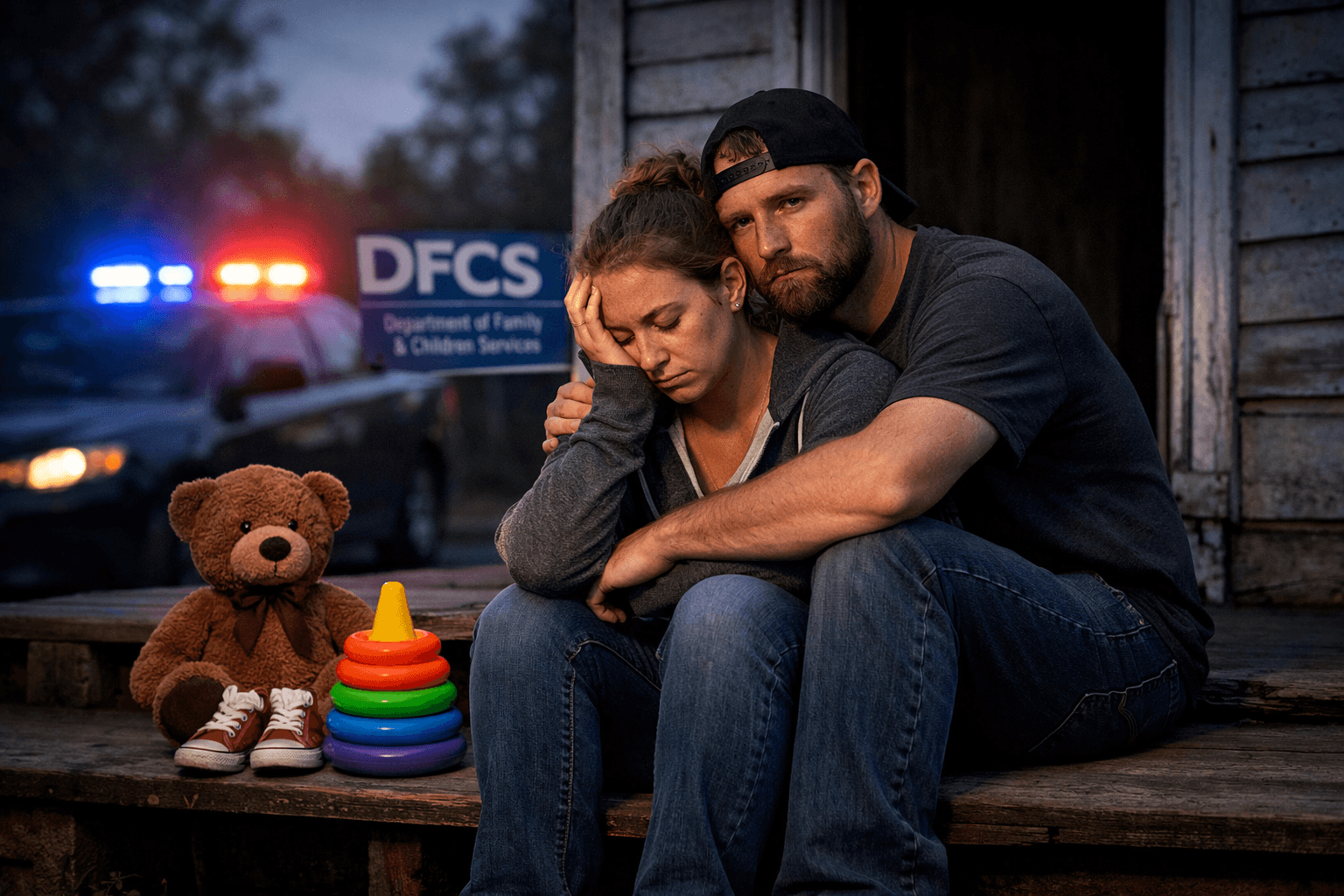
In a recent episode of Breaking the Silence, host Jake Tjapkes sat down with Jordan and Dorian, a young couple from Georgia whose lives were upended by an encounter with the child welfare system. Their story exposes the complexity, contradictions, and emotional toll that families can experience when navigating investigations and interventions by Georgia Department of Family and Children’s Services (DFCS).
This is not a story about neglectful parents. It is a story about how systems, when poorly coordinated and lacking compassion, can become a source of trauma themselves.
A Family Rooted in Love
Jordan and Dorian are lifelong Georgia residents and devoted parents to three children. Like most families, they admit they are not perfect. Parenting is messy, exhausting, and humbling. But what comes through clearly in their story is their deep love for their children children they describe as joyful, affectionate, and deeply bonded to their parents.
That love is what fuels their ongoing fight to reunite their family.
How a Routine Medical Visit Changed Everything
The family’s involvement with DFCS began during Jordan’s second pregnancy. Prior to discovering she was pregnant, Jordan had been using Delta-8—a legal THC product in Georgia to manage anxiety and stress. Once she learned she was pregnant, she stopped using it immediately.
However, during a routine prenatal appointment, trace amounts of THC were detected. Despite the product being legal and the use discontinued, a report was made to DFCS. That single moment triggered a cascade of investigations, requirements, and decisions that would dramatically alter the family’s life.
Mental Health, Medication, and Misinterpretation
Jordan openly shared her struggles with depression and anxiety conditions many parents face silently. She was prescribed Seroquel (referred to as “Theraquel” in conversation), a powerful medication that caused extreme sedation. The medication left her sleeping deeply and impaired her ability to respond quickly to her children’s needs.
During this period, their middle child fell from a swing and sustained a minor bruise. Rather than examining the medication’s side effects or the broader context, DFCS focused narrowly on the injury. Jordan was labeled a danger to her children even while being ordered to remain on the very medication that caused the impairment.
Conflicting Directives and Impossible Choices
One of the most troubling aspects of Jordan and Dorian’s experience was the contradiction they faced: DFCS required Jordan to stay medicated while simultaneously citing her medicated state as evidence of unfitness.
Dorian described the frustration and helplessness of watching his wife follow professional instructions, only to be penalized for the results. As a husband and father, he felt trapped between compliance and protection—an impossible position no family should face.
Removal and Displacement
In March, a misunderstanding involving a safety plan while Jordan underwent an MRI led to the removal of the children. The couple found themselves living in a partially constructed property owned by Dorian’s father, without basic necessities and under immense emotional strain.
Despite the chaos, Jordan and Dorian remained focused on one goal: bringing their children home.
What This Story Reveals About the System
Their experience highlights critical issues within child welfare systems—not just in Georgia, but nationwide:
Mental health treatment without holistic oversight can create new risks
Conflicting instructions from agencies place families in no-win scenarios
Narrow incident-based assessments often miss root causes
System responses can escalate trauma rather than reduce it
Most importantly, it shows how quickly families can lose their footing once a system shifts from support to surveillance.
A Call for Compassion and Clarity
Jordan and Dorian’s story is not about denying accountability or ignoring child safety. It is about proportionality, clarity, and humanity. Families need consistent guidance, informed decision-making, and room to heal—not contradictory mandates and rushed conclusions.
As their case continues, their courage in speaking out serves a larger purpose: shining a light on how child welfare systems can unintentionally harm the very families they are meant to protect.
Their story reminds us that parenting under investigation is still parenting under pressure, and pressure without support breaks families.